
#cafes-cantantes
-
The Racialisation of Flamenco in the Late Nineteenth Century
The transition of flamenco into the commercial space of the cafés cantantes during the late nineteenth century is frequently narrated as a straightforward moment of professionalisation and economic expansion. Yet, this prevailing historiography routinely ignores the violent epistemological and material processes of racialisation that underpinned this shift. This period must be understood, in other words,…
-
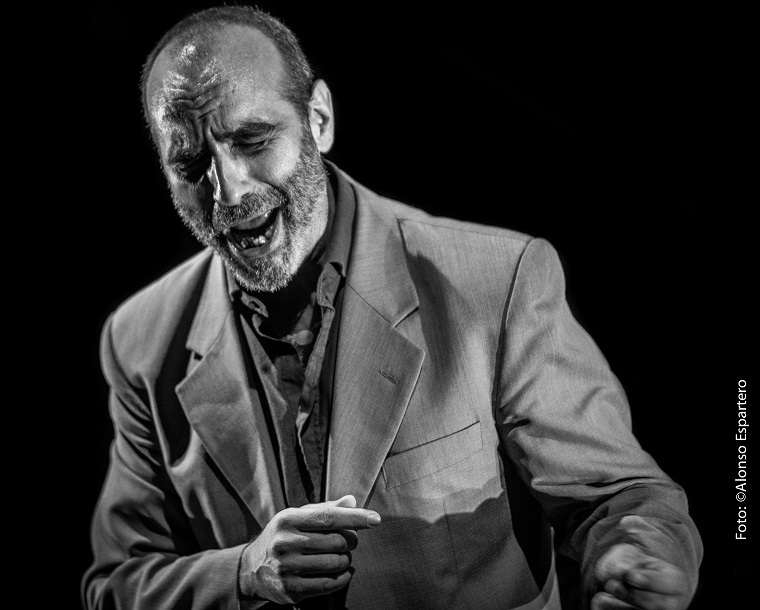
The Architecture of Listening: Urban Soundscapes and the Cafés Cantantes
During the commercial infancy of flamenco in the Edad de Oro, it is tempting to focus strictly on the performative evolution of specific palos or the mythologies of historical performers. However, the venues housing these performances were not merely neutral containers for musical expression. As theoreticians of urban sound have demonstrated, physical spaces actively generate…
-
Disciplining the cante: From café cantante to Tablao
The performance spaces of flamenco have always been deeply intertwined with the material realities of Spanish politics and capital. The transition from the late nineteenth-century café cantante to the mid-twentieth-century tablao represents a deliberate restructuring of cultural production. By examining the political economy of the tablao, we uncover the mechanisms through which the regime of General Francisco Franco instrumentalised an…
-
The First Reviewers: Journalism and the Invention of Flamenco Criticism
When we look back at the Golden Age of flamenco (c. 1870–1930), analytical focus tends to rest entirely upon the performance spaces of the cafés cantantes or the private intimacy of the cuartos. Parallel to this musical practice, however, a significant textual industry was emerging within the daily press. Between the late nineteenth and early twentieth centuries, journalists,…
-
The Flamenco Afición in the Golden Age: Understanding Audiences in the Cafés Cantantes
The afición, the dedicated, deeply knowledgeable community of devotees and expert amateurs whose collective passion and rigorous standards sustain the art form, was the driving force behind the reinvention of flamenco during the late nineteenth and early twentieth centuries.
-
The Modernist Invention of Tradition: Re-evaluating the 1922 Concurso de Cante Jondo
A persistent characteristic of the historiography of flamenco’s Golden Age (c. 1870–1930) is the tendency to impose a narrative of decline and rescue. The most prominent casualty of this approach is the Concurso de Cante Jondo, held in Granada during the festival of Corpus Christi on 13 and 14 June 1922. Standard historical accounts frame…
-
Labour, industry, and the professionalisation of the cantaora
The transition of flamenco from domestic and communal spaces (of, for example, the juerga or the latifundio) to the commercial stage represents a significant shift in the socio-economic status of the cantaora and the cantaor. This process, in the last decades of the 19th century, was not merely a change in venue but a fundamental restructuring of…
-
The café cantante as an urban laboratory
The café cantante was the primary engine of flamenco’s transition from a ritualistic, intimate practice to a professionalised, wealth-generating commodity form. It functioned as a site where local rituals collided with global capital, forcing the art form to negotiate its own value under the gaze of both its defenders and its detractors. See the debates…